Detecting atrial fibrillation and commencing anticoagulation- latest evidence of the incidence and prevalence of both AF and stroke, why the vast majority of AF patients can safely be put on preventive therapy to optimise their chances of a stroke-free future.
The range of services provided in a clinical genetics centre, the patients who might benefit most from clinical genetic screening, the limitations of genetic screening
Become familiar with breathing disorders that are not obstructive sleep apnoea and non-respiratory sleep disorders. Learn how to take a sleep history and how to structure our approach to the sleepy patient
Differences between combination vs progestogen-only pills, rules on missed and late pills, which pill to start with, what age to start, the risk with a family history of breast cancer, and applying the WHO’s “Medical Eligibility Criteria for Contraceptive Use” in practice
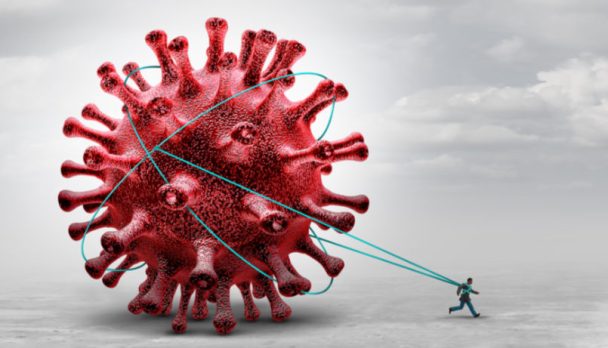
New 3rd booster guidelines from ATAGI, Omicron is changing and there are serious implications and we need to ramp up preventive measures to tackle this new wave more effectively
How to manage the initial stages, when to transition from talk therapy to medication, how to initiate and manage medication regimes and what to do when first-line medications don’t seem to be working.
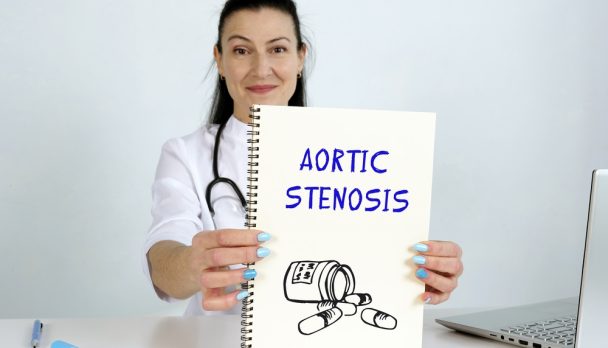
The impact of aortic stenosis, even when NOT severe, is underestimated- Transcatheter Aortic Valve Implantation (TAVI) has revolutionised treatment and recent changes to reimbursement mean that it is even more available.
A high index of suspicion based on vaccination status, travel and exposure history will help raise a red flag- GPs are once again at the forefront of identifying, treating and ensuring that we commence the appropriate public health interventions.
It is essential to exclude patient barriers such as technique and adherence before concluding that the medication regime needs to be intensified. GPs are best placed to work through the complex issues with our patients
Detecting atrial fibrillation and commencing anticoagulation- latest evidence of the incidence and prevalence of both AF and stroke, why the vast majority of AF patients can safely be put on preventive therapy to optimise their chances of a stroke-free future.
The range of services provided in a clinical genetics centre, the patients who might benefit most from clinical genetic screening, the limitations of genetic screening
Become familiar with breathing disorders that are not obstructive sleep apnoea and non-respiratory sleep disorders. Learn how to take a sleep history and how to structure our approach to the sleepy patient
Differences between combination vs progestogen-only pills, rules on missed and late pills, which pill to start with, what age to start, the risk with a family history of breast cancer, and applying the WHO’s “Medical Eligibility Criteria for Contraceptive Use” in practice
New 3rd booster guidelines from ATAGI, Omicron is changing and there are serious implications and we need to ramp up preventive measures to tackle this new wave more effectively
How to manage the initial stages, when to transition from talk therapy to medication, how to initiate and manage medication regimes and what to do when first-line medications don’t seem to be working.
The impact of aortic stenosis, even when NOT severe, is underestimated- Transcatheter Aortic Valve Implantation (TAVI) has revolutionised treatment and recent changes to reimbursement mean that it is even more available.
A high index of suspicion based on vaccination status, travel and exposure history will help raise a red flag- GPs are once again at the forefront of identifying, treating and ensuring that we commence the appropriate public health interventions.
It is essential to exclude patient barriers such as technique and adherence before concluding that the medication regime needs to be intensified. GPs are best placed to work through the complex issues with our patients