Recent changes have made prescribing PrEP by any GP on the PBS without the need for special training. HIV positive people without a Medicare Card can now receive free retroviral treatment and monitoring
When looking for thyroid diseases, listen to the patient as the answer is often in the history - the tests and imaging are adjuncts. Confirm your clinical suspicions with appropriate investigations.
Minimally invasive surgery has become the recommended treatment - where the surgery is done and by whom is critically important for the 10% of cases that are difficult. Do a serum calcium and PTH for patients with unspecific neurocognitive, neuromuscular and renolithiasis or low BMD
Become familiar with breathing disorders that are not obstructive sleep apnoea and non-respiratory sleep disorders. Learn how to take a sleep history and how to structure our approach to the sleepy patient
It is essential to exclude patient barriers such as technique and adherence before concluding that the medication regime needs to be intensified. GPs are best placed to work through the complex issues with our patients
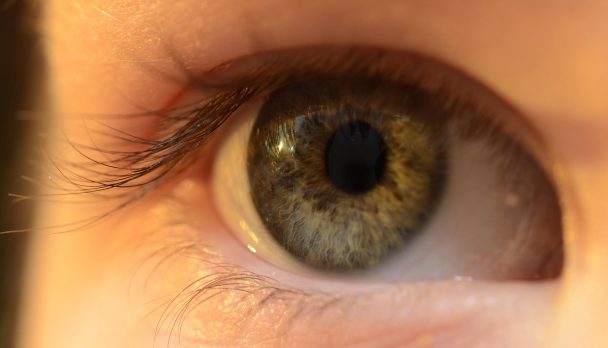
The link between diabetes and eye disease and the need for regular screening - adopt the risk-based approach and manage identified risks supporting the patients along their treatment journey via a team-based approach.
Some of these myths significantly impact on quality of care and potential for a positive management outcome. Patients are not the only source of migraine myths - there are several that medical professionals perpetuate
A high index of suspicion helps when looking out for androgen deficiency in younger males. Half of all patients with Klinefelter Syndrome remain undiagnosed
Patients presenting with involuntary movements across joints with a positive family history of Huntington's Disease require early referral to a Huntington’s Disease Clinic and those with no family history to a movement disorder neurologist.
Structuring the consultation for a patient suffering with migraines, how to use the equip approach? Implementing nonpharmacological strategies for migraine prevention
The cancer navigators can help find necessary information, suggest referral pathways, support resources, help to access clinical trials and even medications and treatments that may be otherwise too expensive.
Recent changes have made prescribing PrEP by any GP on the PBS without the need for special training. HIV positive people without a Medicare Card can now receive free retroviral treatment and monitoring
When looking for thyroid diseases, listen to the patient as the answer is often in the history - the tests and imaging are adjuncts. Confirm your clinical suspicions with appropriate investigations.
Minimally invasive surgery has become the recommended treatment - where the surgery is done and by whom is critically important for the 10% of cases that are difficult. Do a serum calcium and PTH for patients with unspecific neurocognitive, neuromuscular and renolithiasis or low BMD
Become familiar with breathing disorders that are not obstructive sleep apnoea and non-respiratory sleep disorders. Learn how to take a sleep history and how to structure our approach to the sleepy patient
It is essential to exclude patient barriers such as technique and adherence before concluding that the medication regime needs to be intensified. GPs are best placed to work through the complex issues with our patients
The link between diabetes and eye disease and the need for regular screening - adopt the risk-based approach and manage identified risks supporting the patients along their treatment journey via a team-based approach.
Some of these myths significantly impact on quality of care and potential for a positive management outcome. Patients are not the only source of migraine myths - there are several that medical professionals perpetuate
A high index of suspicion helps when looking out for androgen deficiency in younger males. Half of all patients with Klinefelter Syndrome remain undiagnosed
Patients presenting with involuntary movements across joints with a positive family history of Huntington's Disease require early referral to a Huntington’s Disease Clinic and those with no family history to a movement disorder neurologist.
Structuring the consultation for a patient suffering with migraines, how to use the equip approach? Implementing nonpharmacological strategies for migraine prevention
The cancer navigators can help find necessary information, suggest referral pathways, support resources, help to access clinical trials and even medications and treatments that may be otherwise too expensive.