How to manage the initial stages, when to transition from talk therapy to medication, how to initiate and manage medication regimes and what to do when first-line medications don’t seem to be working.
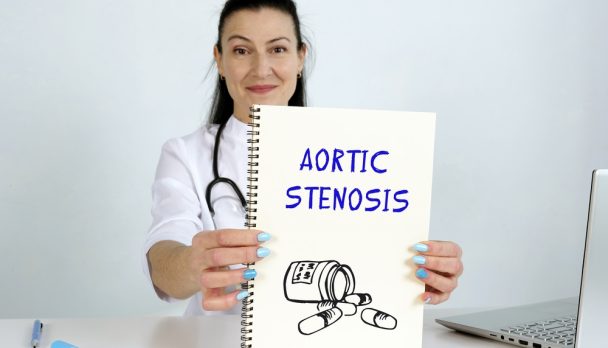
The impact of aortic stenosis, even when NOT severe, is underestimated- Transcatheter Aortic Valve Implantation (TAVI) has revolutionised treatment and recent changes to reimbursement mean that it is even more available.
Inappropriate DOAC dosing is a common problem- recognise which patients require reduced dosage, what GPs can do to optimise the dosage in view of the specific clinical characteristics of each patient.
Eating disorders are increasingly common and GPs are often the first professional to see clinical warning signs and often the first professional that a patient or relative seeks help from.
Intervene and help prevent falls, fractures and many other factors that contribute to frailty- provide a practical, systematic approach to assessing at-risk patients and recommends where appropriate, interventions that are most likely to be effective.
Practicalities when using triple therapy in the management of asthma and COPD through a series of cases - 2 COPD cases and 2 asthma cases, to illustrate the indications, contraindications, risks and benefits and various other factors.Â
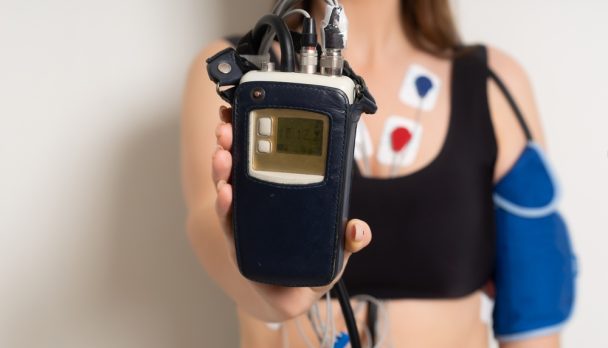
Why we need to reprioritise blood pressure control- challenges we face in reducing the proportion of patients with uncontrolled hypertension and some solutions that have been shown to be effective in the primary care setting.
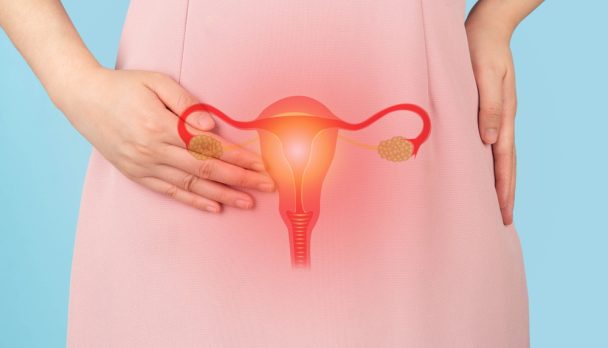
A systematic, practical approach to managing the woman presenting with heavy menstrual bleeding- diagnosis-defining details in the history, to being able to explain the range of medical and surgical options currently available to treat this condition.
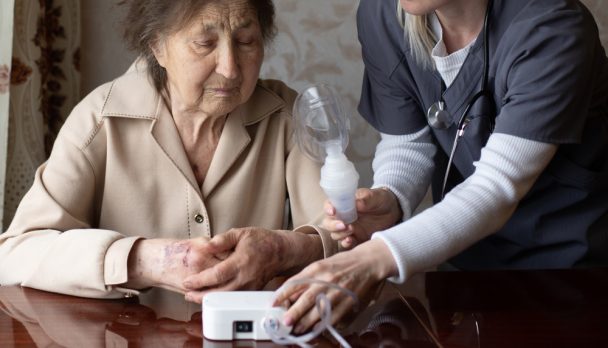
A comprehensive framework for health professionals assessing COPD patients- evidence-based approach to management, how to step-up treatment when needed, which may include inhaled corticosteroids.
How to manage the initial stages, when to transition from talk therapy to medication, how to initiate and manage medication regimes and what to do when first-line medications don’t seem to be working.
The impact of aortic stenosis, even when NOT severe, is underestimated- Transcatheter Aortic Valve Implantation (TAVI) has revolutionised treatment and recent changes to reimbursement mean that it is even more available.
Inappropriate DOAC dosing is a common problem- recognise which patients require reduced dosage, what GPs can do to optimise the dosage in view of the specific clinical characteristics of each patient.
Eating disorders are increasingly common and GPs are often the first professional to see clinical warning signs and often the first professional that a patient or relative seeks help from.
Intervene and help prevent falls, fractures and many other factors that contribute to frailty- provide a practical, systematic approach to assessing at-risk patients and recommends where appropriate, interventions that are most likely to be effective.
Practicalities when using triple therapy in the management of asthma and COPD through a series of cases - 2 COPD cases and 2 asthma cases, to illustrate the indications, contraindications, risks and benefits and various other factors.Â
Why we need to reprioritise blood pressure control- challenges we face in reducing the proportion of patients with uncontrolled hypertension and some solutions that have been shown to be effective in the primary care setting.
A systematic, practical approach to managing the woman presenting with heavy menstrual bleeding- diagnosis-defining details in the history, to being able to explain the range of medical and surgical options currently available to treat this condition.
A comprehensive framework for health professionals assessing COPD patients- evidence-based approach to management, how to step-up treatment when needed, which may include inhaled corticosteroids.