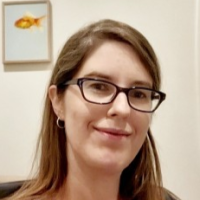
In today’s podcast, Dr Renee Denham shares practical insights on recognising and managing eating disorders in young people through early intervention, family engagement and evidence-based care.
This episode explores the evolving landscape of fetal Rhesus screening in pregnancy care, featuring expert insights from A/Prof Marina Berbic and Jessica Clarke. Learn how advances in cell-free DNA testing are reshaping anti-D immunoglobulin use, why updated national guidelines matter, and what healthcare professionals need to know about ordering, timing, and interpreting results.
Professor Kaarin Anstey explores how cognitive and physical changes with ageing affect driving safety - and how GPs can guide patients to stay safe, independent and informed on the road.
Ehlers-Danlos syndrome and hypermobility are more common than you think. Dr Jason Lam and physiotherapist Leanne Scown unpack the key signs to look for, why early recognition matters, and how healthcare professionals can lead coordinated, effective care for these often-overlooked patients
Marie Claire Seely discusses how primary care clinicians can better recognise, assess and support patients living with POTS and other forms of dysautonomia.
Advice and evidence for and role of GLP-1 receptor agonists in the prevention and management of kidney disease in patients with type 2 diabetes will be discussed.
An overview of the evidence and the current recommendations in terms of MHT's role in preventing cardiovascular disease will be discussed as well as its safety in women with pre-existing cardiovascular disease.
Evidence-based recommendations for managing eczema will be discussed including other relevant issues such as key triggers, managing discoid eczema and when referral might be appropriate.
Explore "natural oestrogens" as emerging contraceptive options - their biological basis, current evidence, safety claims, and how clinicians can guide patients through informed, evidence-based prescribing decisions.
In today’s podcast, Dr Renee Denham shares practical insights on recognising and managing eating disorders in young people through early intervention, family engagement and evidence-based care.
This episode explores the evolving landscape of fetal Rhesus screening in pregnancy care, featuring expert insights from A/Prof Marina Berbic and Jessica Clarke. Learn how advances in cell-free DNA testing are reshaping anti-D immunoglobulin use, why updated national guidelines matter, and what healthcare professionals need to know about ordering, timing, and interpreting results.
Professor Kaarin Anstey explores how cognitive and physical changes with ageing affect driving safety - and how GPs can guide patients to stay safe, independent and informed on the road.
Ehlers-Danlos syndrome and hypermobility are more common than you think. Dr Jason Lam and physiotherapist Leanne Scown unpack the key signs to look for, why early recognition matters, and how healthcare professionals can lead coordinated, effective care for these often-overlooked patients
Marie Claire Seely discusses how primary care clinicians can better recognise, assess and support patients living with POTS and other forms of dysautonomia.
Advice and evidence for and role of GLP-1 receptor agonists in the prevention and management of kidney disease in patients with type 2 diabetes will be discussed.
An overview of the evidence and the current recommendations in terms of MHT's role in preventing cardiovascular disease will be discussed as well as its safety in women with pre-existing cardiovascular disease.
Evidence-based recommendations for managing eczema will be discussed including other relevant issues such as key triggers, managing discoid eczema and when referral might be appropriate.
Explore "natural oestrogens" as emerging contraceptive options - their biological basis, current evidence, safety claims, and how clinicians can guide patients through informed, evidence-based prescribing decisions.